Serving Hayward, CA and surrounding areas. (510) 264-7004
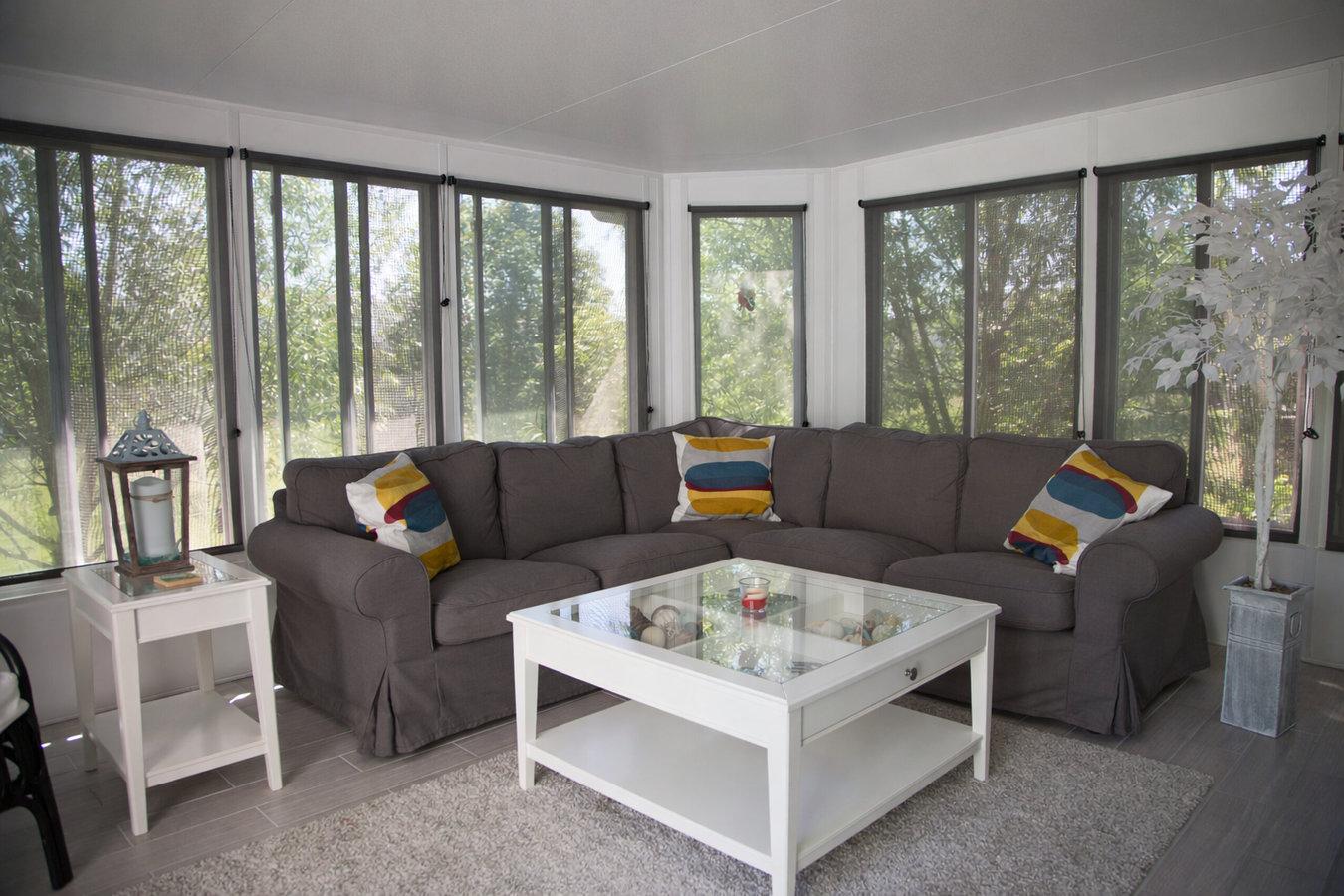
Outdoor Hayward Sunroom Expert builds custom sunrooms, patio enclosures, and all season rooms for Castro Valley homeowners. We handle Alameda County permits, work on both hillside and flat lots, and reply within one business day.
Castro Valley homes sit on a wide range of lot types - flat valley floors, steep hillside grades, and mid-slope properties with irregular shapes. A custom sunroom is designed around your specific site so the room integrates cleanly with your roofline and works with your yard rather than against it. We size, orient, and frame each project to match what the lot actually allows.
Castro Valley gets marine fog and wet winters from November through March, which means an open patio is uncomfortable for months at a time. Enclosing it with insulated glass and a solid roof turns that dead space into a protected room that is usable even when the hills are socked in with morning fog, without losing the natural light that makes the area worth sitting in.
Because Castro Valley winters are genuinely wet and its summers can hit the mid-80s and beyond, a four season sunroom needs to handle both extremes. We build with insulated glass, proper ventilation, and a heating source so the room stays comfortable whether it is a rainy February morning or a dry August afternoon.
Homeowners in Castro Valley who want a room that functions all year - not just on warm days - need a fully insulated space with climate control. An all season room is built and wired like an interior room of your house, so it does not feel like a cold, drafty add-on when the Bay fog rolls in.
Many Castro Valley homes built in the 1950s and 1960s have a concrete slab out back that never gets used after the summer months. Converting that existing slab into a sunroom saves on foundation costs and is often faster than starting from scratch - a practical option when you want to add square footage without a major ground-up build.
Castro Valley's dry summers and proximity to Lake Chabot Regional Park make a screen room a practical way to enjoy outdoor evenings without insects. It is one of the more budget-friendly options for homeowners who want to extend their outdoor living season without the cost of a fully enclosed room.
Most homes in Castro Valley were built between the 1950s and 1970s - putting them at 50 to 70 years old. At that age, concrete slabs, foundations, and electrical panels may need evaluation before a new room addition can be attached safely. The area also has a meaningful share of hillside lots, where sloped yards, retaining walls, and drainage patterns create site conditions that a contractor unfamiliar with the terrain might underestimate. Getting the foundation and site prep right matters more on these properties than on flat lots.
Castro Valley sits in the East Bay hills, which means the clay-heavy soils common to the region - soils that swell when wet and shrink when dry - are a factor in how foundations perform over time. The seasonal soil movement is one of the main reasons older slabs crack and shift here. Any room addition needs to account for that movement in the foundation design. Castro Valley is also close enough to active fault zones in the East Bay that seismic framing standards apply. The California Geological Survey publishes seismic hazard zone maps that apply to the Castro Valley area and are worth reviewing before any major structural addition.
Our crew works throughout Castro Valley regularly, and we submit permits through Alameda County Planning and Building - the county agency that handles permits for this unincorporated community. Because Castro Valley is not an incorporated city, it does not have its own building department, and contractors who are not familiar with how the county process works sometimes misquote permit timelines or submit incomplete applications that cause delays.
Castro Valley is the kind of community where the same families have lived on the same streets for decades. From the neighborhoods near Castro Valley Boulevard and the Castro Valley BART station to the hillside streets that look out toward Lake Chabot Regional Park, we have worked on homes in every part of the community - on flat valley-floor lots and on sloped hillside parcels where access and drainage are part of every job.
We also serve homeowners in neighboring Dublin and San Leandro, both of which are close enough to Castro Valley that our crew moves between them regularly.
Reach out by phone or through our contact form and we will get back to you within one business day. We ask a few short questions about your home, your budget, and what you want to build so that the site visit is focused and efficient.
We come to your Castro Valley property to measure the space and assess the existing slab or foundation, lot slope, and roofline. You receive a written estimate that breaks out materials, labor, and Alameda County permit fees - no verbal quotes, no surprises later.
We handle the Alameda County permit application and scheduling of all required inspections. Once the permit is approved, construction on a typical sunroom takes three to eight weeks, depending on room size and whether any site prep or foundation work is needed first.
The county inspector signs off on the completed work, and we do a full walkthrough with you before we close out the project. You get copies of all permit documentation for your records, which matters when you sell the home.
We serve Castro Valley homeowners on both hillside and valley-floor lots. Send us a message and we will reply within one business day.
(510) 264-7004Castro Valley is an unincorporated community of roughly 61,000 people tucked into a valley in the East Bay hills about 25 miles southeast of San Francisco. The area developed rapidly after World War II, and most of the housing stock dates from the 1950s through the 1970s - primarily single-family ranch homes and split-levels on both flat valley lots and steeper hillside parcels. The community is known for its good schools, stable homeownership rates, and an easy connection to the rest of the Bay Area via the Castro Valley BART station and the I-580 corridor.
The residential character of Castro Valley is quiet and suburban, with most activity centered along Castro Valley Boulevard and the neighborhoods that radiate out from it. The eastern edge of the community backs up to Lake Chabot Regional Park, giving hillside homeowners views and open space access that flat-lot East Bay cities do not offer. We serve homeowners throughout Castro Valley and also work regularly in nearby San Leandro and Union City, where the housing stock and property types are similar.
Convert your existing patio into a comfortable enclosed sunroom.
Learn MoreCastro Valley hillside and valley-floor lots both welcome. Call today or submit a form and we will be in touch within one business day.